Asheville Homeschool at Gardens for Kids Ages 5–16
Our 10-week homeschool program brings the spirit of Garden Camp into the school year. Every Thursday, kids ages 6–16 spend the day outdoors and in the kitchen, growing food, cooking together, exploring the natural world, making things with their hands, and following their own curiosity.
Thursdays 9:00am – 3:30pm
September 17 – November 19
7 minutes from downtown Asheville
Our Philosophy
At The Educational Garden Project, our mission is simple: to grow and share food with children.
We believe some of the most meaningful learning happens when kids are given real things to do, interesting things to explore, and enough freedom to decide where their curiosity takes them.
Cooking and gardening are at the heart of our days, but Garden Camp isn't a classroom transplanted outdoors. Play is always a priority.
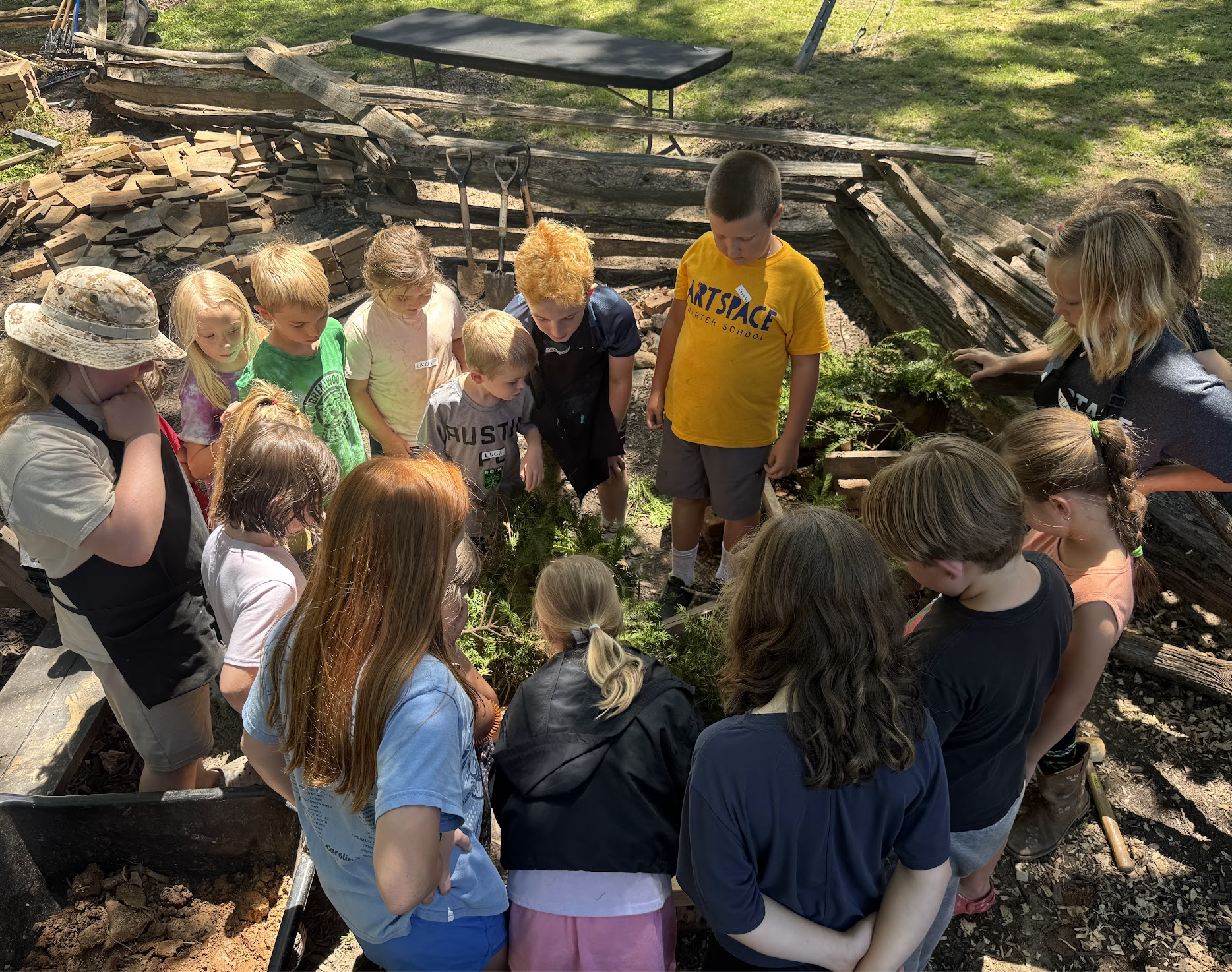
Throughout the day, we offer multiple activities, projects, materials, books, tools, and experiences at the same time. Kids are encouraged to make choices about how they spend their time, pursue what interests them, work independently when they want to, and collaborate with others when a project calls for it.
We expect Garden Camp kids to be increasingly self-directed to keep track of their belongings, participate in the rhythm of the day, care for the spaces and materials they use, and be respectful and responsive to the people around them.
Our goal isn't simply to teach children facts about gardens, food, or nature. We want to give them tools, experiences, confidence, healthy habits, and a strong work ethic that travel home with them.
Cooking + Gardening, Every Day
Every Garden Camp homeschool day includes both cooking and gardening.
Kids don't just learn about food. They participate in it.
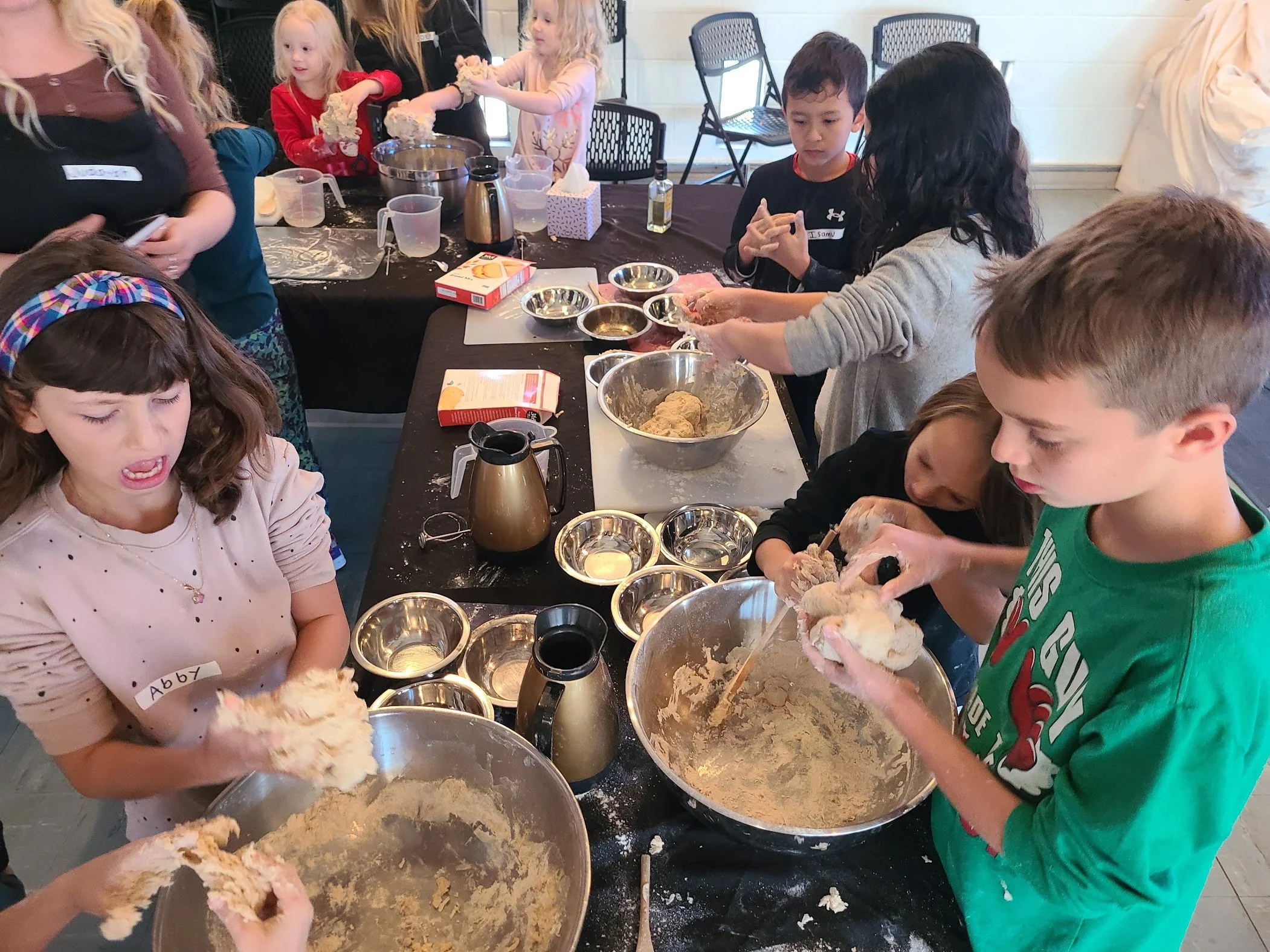
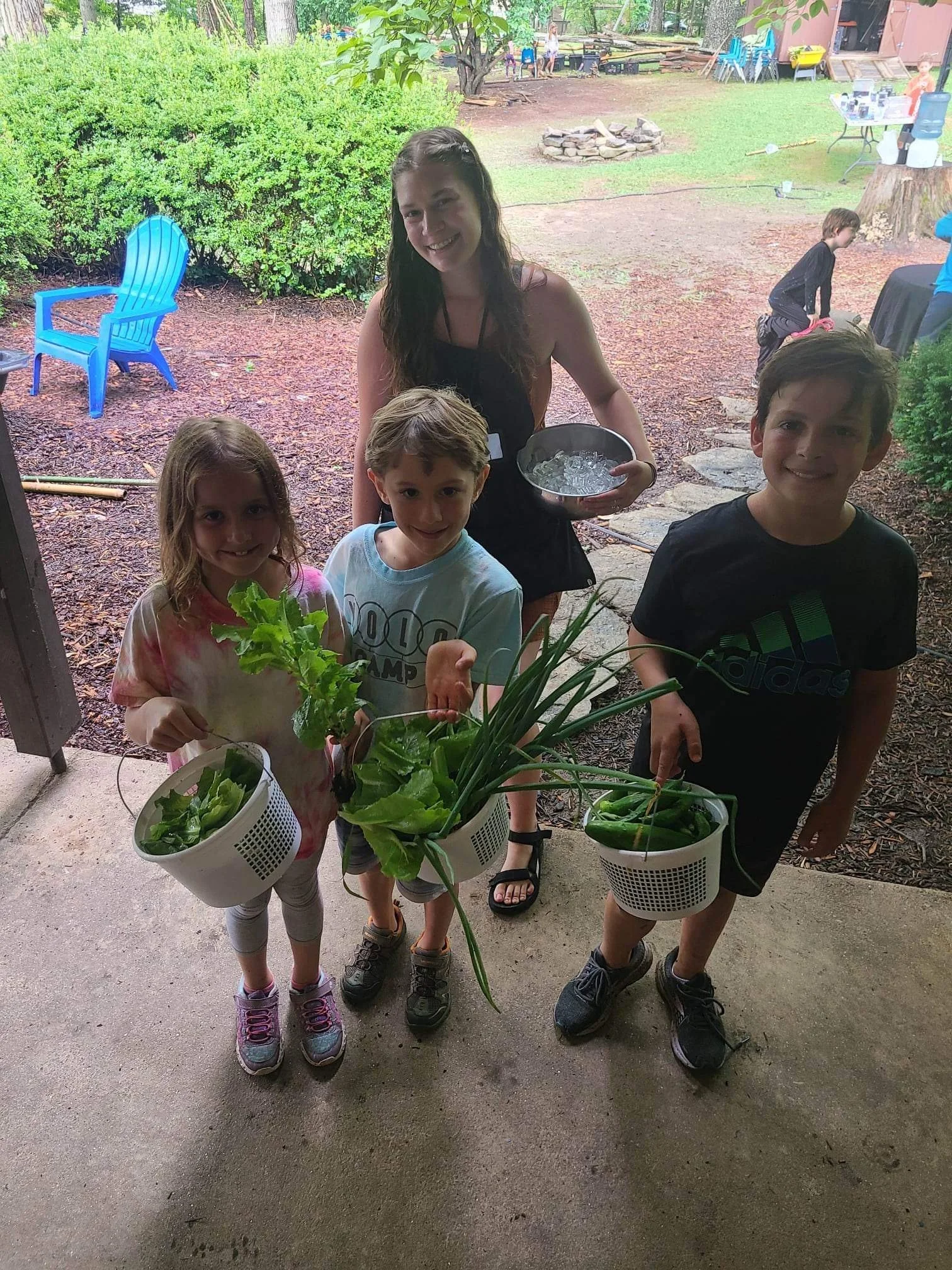
They plant, harvest, wash, chop, mix, measure, cook, taste, serve, share, and clean up. Breakfast, lunch, and snacks are provided, and kids actively participate in preparing the food we eat together. Children are always welcome to bring and eat their own food as well.
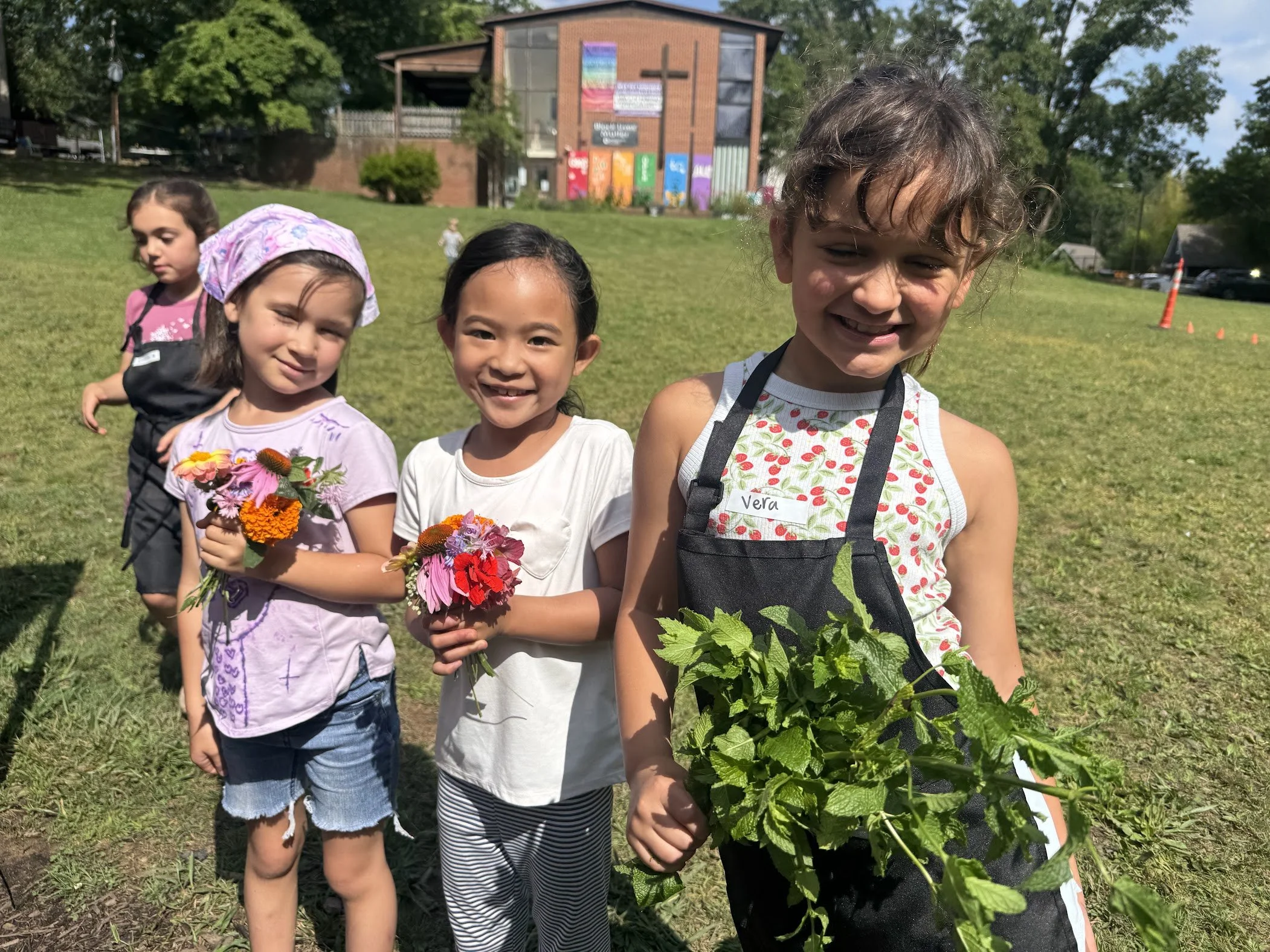
In the garden, we bring seed-to-table ideas to life through hands-on work and exploration. Depending on the season and what needs doing, kids might plant seeds, transplant seedlings, tend garden beds, harvest vegetables and herbs, investigate insects, work with soil, label plants, use garden tools, or help build and improve the garden itself.
Our five-year-old gardens were created with children in mind, and this semester's homeschool group will become part of their continuing story.
2026 Fall Semester
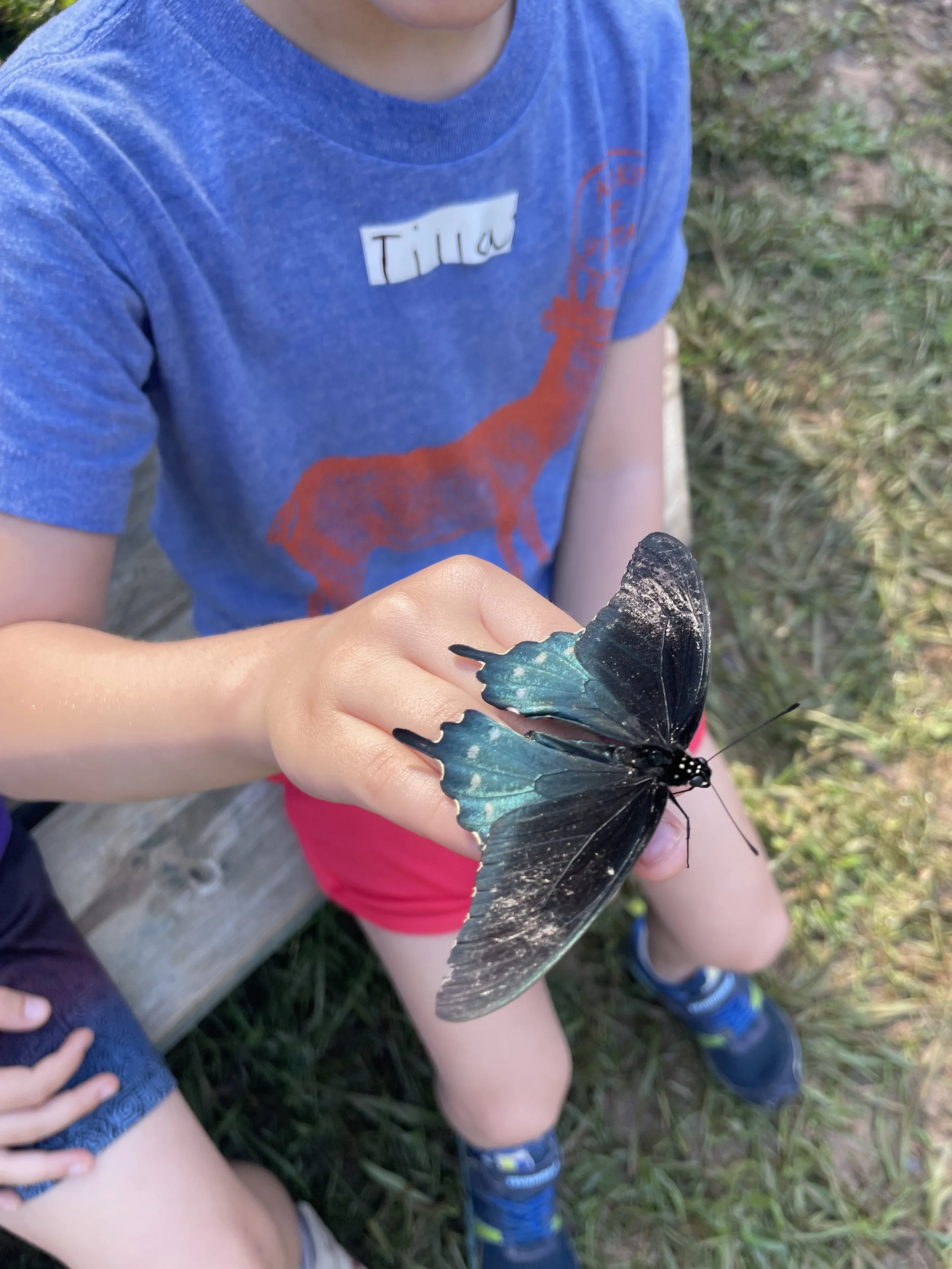
Week 1 (September 17): Butterflies
Week 2 (September 24): Bees
Week 3 (October 1): Wild Animals of Appalachia
Week 4 (October 8): Birds
Week 5 (October 15): Bugs
Week 6 (October 22): Trees
Week 7 (October 29): Backyard Animals
Week 8 (November 5): Fungi
Week 9 (November 12): Soil, Rocks + Minerals
Week 10 (November 19): Farm Animals
A Day at Garden Camp
9:00–9:30 · Welcome + Breakfast
We arrive, settle in, eat together, and get ready for the day.
9:30–10:30 · Garden
Hands-on gardening, seasonal projects, harvesting, planting, building, tending, and exploring.
10:30–11:00 · Snack + Meeting
11:00–12:30 · Activity
Theme-based exploration, nature activities, projects, tools, art, crafts, cooking, or outdoor investigation.
12:30–1:30 · Lunch + Meeting
1:30–2:30 · Activity
More time for projects, exploration, making, and play.
2:30–3:30 · Cleanup + Lending Items
We care for our shared spaces, wrap up projects, and choose resources that can continue the day's discoveries at home.
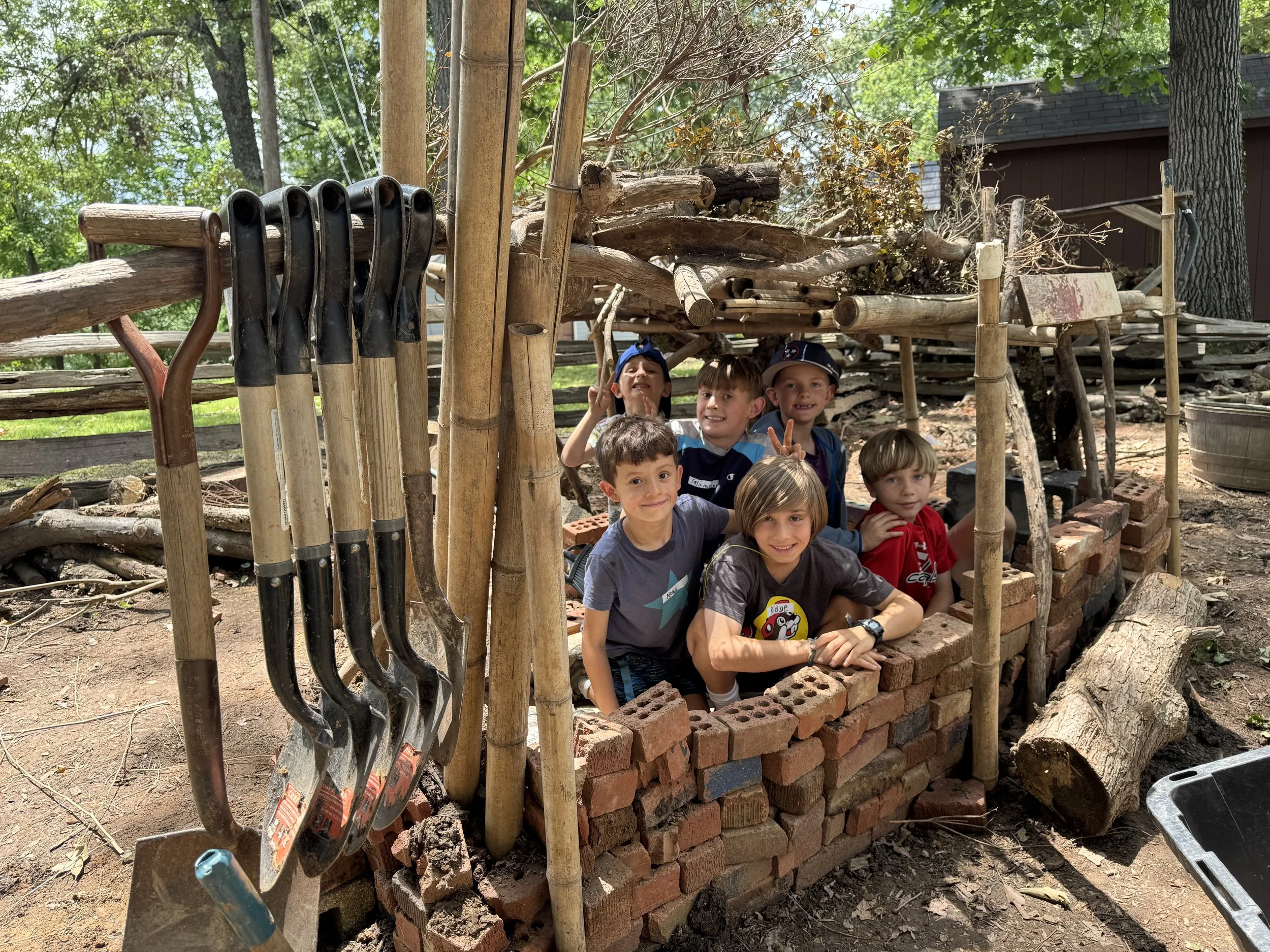
Learning Doesn't Stop When Garden Camp Ends
One of the things we're most excited about this year is helping kids take Garden Camp home with them.
Over the years, we've accumulated a lot of books, materials, tools, seeds, plants, activities, and ideas — and we want kids to use them.
Students will have access to our:
Lending Library
Books and resources to continue exploring the week's subjects.
Seed + Plant Bank
Seeds, seedlings, plants, and other materials to help kids start or expand gardens at home.
Tool Library
Selected tools and materials that allow children to continue practicing what they've learned.
Resource Sharing
Cooking materials, garden resources, project supplies, ideas, and other useful things we've collected over the years.
Your child may occasionally come home with a lot of stuff.
That's intentional.
We hope you'll give them a corner of the yard, a container, a kitchen project, a patch of dirt, or whatever space you have available and let them experiment.
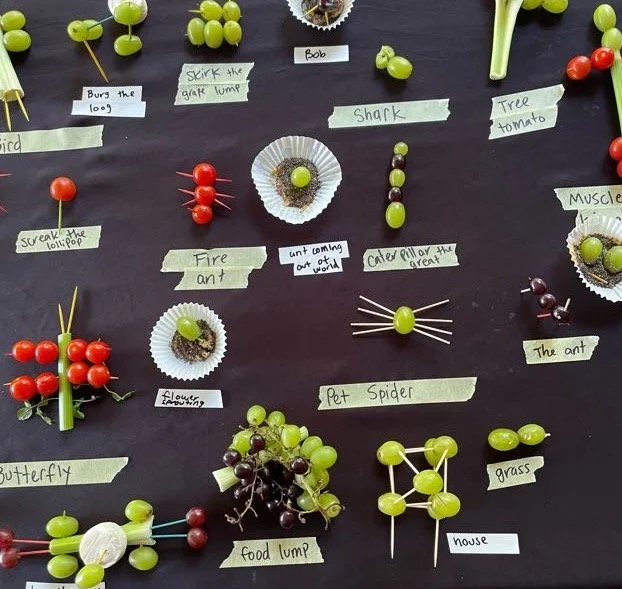
Art + Making
Not everything at Garden Camp has to become a lesson.
We keep a deep collection of arts and crafts materials available for kids who want to make things, experiment, or settle into a longer project.
Depending on the interests of the group, projects might include collage, Mod Podge, sewing, nature-based art, construction, and other hands-on work.
Some projects will happen entirely at Garden Camp. Others can travel home and continue for days or weeks.
We have a lot of ideas and a lot of materials to share.
One Theme. A Whole Day to Explore It
Each week, we dive into a new theme from the natural world through:
Hands-on activities + experiments
Books, media + creative projects
Outdoor observation + exploration
Cooking + gardening connections
Tools, materials + open-ended making
Plenty of room to follow individual interests
Fall Homeschool Program
Cooking + gardening every day
Nature immersion
Arts + crafts
Tools
Animals
Outdoor exploration
Plenty of play
Our Campus
Garden Camp is located at Land of the Sky United Church of Christ in East Asheville, approximately seven minutes from downtown Asheville.
We've built our program around the spaces available to us here.
Garden Camp uses the indoor fellowship hall, kitchen, bathrooms, outdoor patio, forest, and established garden areas.
Our gardens are now five years old and were created specifically with children's participation in mind. During the semester, homeschool students will help plant and tend the gardens, install signs, label plants, and contribute to projects that will remain part of Garden Camp for future groups.
Our forest is our primary outdoor classroom: a place for gross-motor play, exploration, observation, projects, discovery, and simply spending time outside.
Inside, we have access to our kitchen and fellowship hall as well as heating and air conditioning when the weather calls for it.
The larger property is also home to a lively community that includes two churches, Montessori Learning Community, and BeLoved Village. During Homeschool programming, our students remain together as our own supervised group within the campus.